Author: Wisdom Emori
Introduction
Football matches do not always produce many goals. In fact, a large percentage of games around the world end with two goals or fewer. This reality is the foundation of the Under 2.5 goals betting market, which focuses on matches expected to produce limited scoring.
Many bettors are naturally drawn toward high-scoring games and markets such as Over 2.5 goals. However, experienced analysts understand that identifying low-scoring matches can be just as valuable when evaluating football games.
Under 2.5 goals betting is based on a simple rule: the bet wins if a match finishes with two total goals or fewer. While the rule itself is easy to understand, identifying the right matches requires careful analysis of team styles, defensive strength, historical scoring patterns, and match context.
If you are unfamiliar with the basics of this market, it helps to first understand what Under 2.5 goals means in football betting.
This guide focuses on the strategic side of the market. It explains how to identify matches that are more likely to produce few goals and what indicators analysts commonly examine before considering an Under 2.5 prediction.
Quick Recap: Under 2.5 Goals Meaning?
Under 2.5 goals means a match must finish with two total goals or fewer for the selection to win.
Winning scorelines include 0-0, 1-0, 1-1 and 2-0. Losing scorelines include 2-1, 3-0 and 2-2.
For the full beginner explanation, read our guide on what Under 2.5 goals means in football betting.
This article now focuses on strategy: how to identify low-scoring football matches before making an Under 2.5 prediction.
7 Signs A Match Could Finish Under 2.5 Goals
When analysing a fixture, these are some of the strongest indicators that a low-scoring match may be possible.
1. Both Teams Average Low Total Goals
If both teams regularly participate in matches averaging fewer than 2.5 goals, the probability of another low-scoring game increases.
2. Strong Defensive Records
Teams with strong defensive numbers often produce matches with fewer goals.
Look at:
- Goals conceded
- Clean sheets
- Home defensive record
- Away defensive record
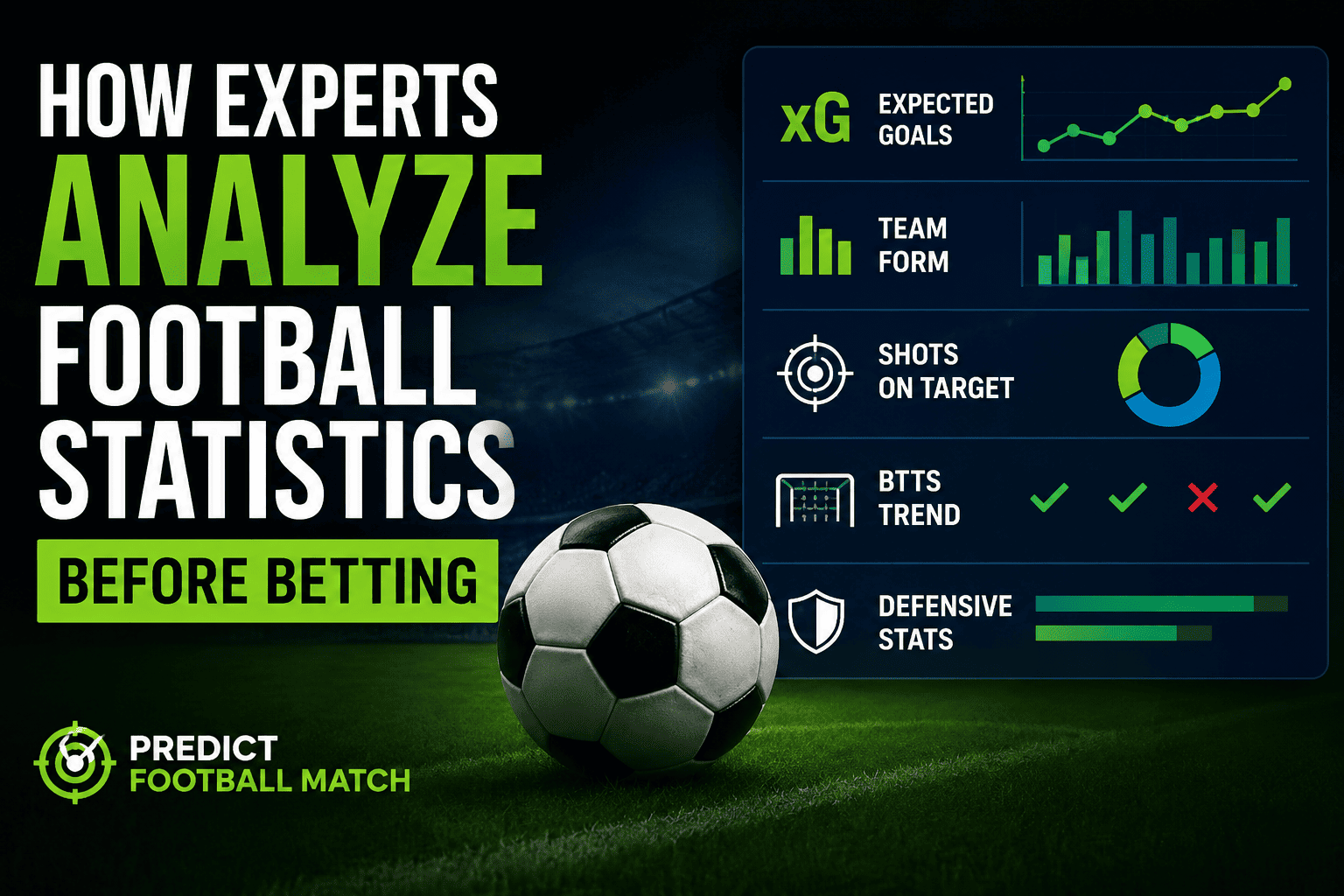
3. Low Expected Goals (xG)
Expected Goals (xG) estimates the quality of scoring chances.
When both teams consistently produce low xG numbers, matches often struggle to reach three goals.
4. Few Shots on Target
Teams generating very few shots on target are less likely to create enough opportunities to produce high-scoring matches.
5. Cautious Match Importance
Certain matches naturally encourage caution.
Examples include:
- Relegation battles
- First-leg cup ties
- Derby matches
- End-of-season survival games
6. Poor Attacking Form
Check how many goals both teams have scored in their last five matches.
A team struggling to score regularly may contribute to a lower total goals outcome.
7. Low-Scoring Head-to-Head History
Head-to-head records should never be the only factor, but repeated low-scoring meetings can provide additional confirmation.
Why Some Football Matches Produce Few Goals
Not every football match has the same scoring potential. Some games naturally lead to fewer chances and fewer goals due to the way teams approach the match tactically.
Understanding these patterns is an important part of developing an Under 2.5 goals strategy.
Defensive Playing Styles
Certain teams prioritise defensive organisation above attacking risk. These teams often maintain compact defensive structures, limit space in central areas, and focus on preventing clear scoring opportunities.
When two defensively disciplined teams face each other, the match often becomes slower and more controlled, reducing the likelihood of multiple goals.
Balanced Tactical Matchups
Matches between evenly matched teams can sometimes produce cautious tactical approaches. Neither side wants to make mistakes that could lead to conceding goals, especially in important league or tournament fixtures.
This cautious balance can reduce attacking intensity and lead to fewer goal-scoring chances overall.
Low Attacking Efficiency
Some teams struggle to convert chances into goals due to poor finishing, limited creativity in midfield, or a lack of consistent attacking players.
Even if such teams create opportunities, the overall scoring output may remain low across multiple matches.
Game Control and Possession
Teams that focus on controlling possession may slow the tempo of the game, reducing transitions and quick attacking movements. While possession-based football can still produce goals, controlled matches often result in fewer chaotic situations where multiple goals occur.
Under 2.5 Goals Checklist Before Betting
Before considering an Under 2.5 selection, many analysts check the following:
✓ Both teams average low goals per match
✓ Strong defensive records
✓ Low xG numbers
✓ Few shots on target
✓ Important match with cautious motivation
✓ Limited attacking form
✓ No major attacking improvements or returns
The more boxes a match ticks, the stronger the Under 2.5 case may become.
Key Statistics to Analyse Before Considering Under 2.5
Successful Under 2.5 analysis usually involves reviewing several statistical indicators that reveal how frequently teams participate in low-scoring matches.
Average Goals per Match
One of the most useful starting points is the average number of goals scored in matches involving each team.
If both teams consistently play matches with low total goals, the probability of another low-scoring game increases.
Defensive Strength
Strong defensive teams limit goal-scoring opportunities for their opponents.
Matches involving defensively organised teams frequently produce tight scorelines such as 1-0, 1-1, or 0-0.
Clean Sheet Frequency
Teams that regularly keep clean sheets often contribute to lower-scoring matches.
Shots on Target
Shots on target are an indicator of how often teams create meaningful scoring chances.
When two teams with low shot production meet, the match may lack the attacking intensity needed for multiple goals.
Expected Goals (xG)
Matches with low combined expected goals totals often indicate that both teams create limited high-quality chances.
Such matches are statistically more likely to remain low scoring.
League Patterns That Favour Under 2.5
Different football leagues often develop distinct playing styles that influence overall scoring trends.
Some leagues are known for producing higher-scoring matches due to fast-paced attacking football, while others emphasise defensive organisation and tactical discipline.
When analysing Under 2.5 opportunities, understanding league scoring patterns can provide useful context.
League-wide goal averages can serve as an important indicator when evaluating potential low-scoring fixtures.
Match Situations Where Under 2.5 Is Common
Relegation Battles
When teams near the bottom of the league table face each other, the primary objective often becomes avoiding defeat rather than pursuing aggressive attacking play.
Knockout Tournament Matches
In cup competitions or knockout tournaments, teams may approach matches more cautiously because conceding a goal could significantly affect their chances of advancing.
Strong Defence Versus Weak Attack
If one side struggles offensively while the other is defensively organised, goals may be limited.
End-of-Season Cautious Matches
Late-season matches can sometimes become more tactical when teams only need a point to achieve their objectives.
Under 2.5 vs Under 3.5: Which Is Safer?
Both markets focus on low-scoring football, but they have different levels of risk.

Under 3.5 is generally safer because it allows one additional goal.
For a detailed comparison, read our guide on Under 2.5 vs Under 3.5 Goals Explained.
Under 2.5 vs Over 2.5 Strategy
Understanding the relationship between Under 2.5 and Over 2.5 markets helps clarify the strategic differences between predicting low-scoring and high-scoring matches.

If you want to understand the opposite market in detail, read what Over 2.5 goals means in football betting.
How Goal Range Markets Relate to Under 2.5
Goal range betting is another way analysts examine the possible number of goals in a football match.
Instead of predicting whether a match will finish above or below a specific line, goal range markets group results within a defined window, such as:
- 1-2 goals
- 2-3 goals
- 2-4 goals
A 1-2 goal range prediction aligns closely with matches that fall within the Under 2.5 threshold.
You can learn more in our guide to goal range betting explained.
Common Mistakes When Using Under 2.5 Strategy
Ignoring Recent Attacking Form
Teams can suddenly improve offensively due to tactical changes or new players.
Overlooking Team News
Injuries, suspensions, and lineup changes can significantly affect scoring potential.
Blindly Following Historical Data
Past results help, but football is dynamic. Recent form often matters more.
Ignoring Match Context
Local rivalries, title races, and high-pressure situations can completely change match behaviour.
Frequently Asked Questions
Is Under 2.5 Goals a Good Betting Strategy?
Yes, when supported by proper analysis. Many football matches naturally finish with two goals or fewer.
How Often Does Under 2.5 Goals Win?
The exact percentage varies by league and season, but low-scoring matches remain common across world football.
What Is the Best Statistic for Under 2.5 Predictions?
There is no single perfect statistic. Analysts usually combine goals averages, xG, shots on target, clean sheets, and defensive records.
Can Both Teams Score and Under 2.5 Win?
Yes.
The only BTTS scoreline that also wins Under 2.5 is:
- 1-1
Is Under 2.5 Safer Than Over 2.5?
Neither market is automatically safer. The best choice depends on the specific match and the available statistics.
Final Thoughts
Under 2.5 goals strategy focuses on identifying football matches that are likely to produce limited scoring.
While the market itself is simple to understand, predicting the right matches requires careful evaluation of team style, defensive organisation, statistical trends, and match context.
Low-scoring matches often emerge when defensively disciplined teams face each other, when attacking efficiency is limited, or when tactical caution dominates the game.
By analysing factors such as average goals, defensive records, clean sheets, shots on target, expected goals, and league scoring patterns, it becomes easier to identify fixtures where two goals or fewer are realistic outcomes.
For further reading, explore:
- What Under 2.5 Goals Means in Football Betting
- What Over 2.5 Goals Means in Football Betting
- Goal Range Betting Explained
- How to Predict Total Goals in Football Using Statistics
Understanding these indicators does not guarantee results, but it helps create a structured approach to analysing football matches and interpreting how goal markets operate within the broader landscape of football betting.